
BURAN Ghati Trek – Himachal
Buran Ghati is one of Himachal’s most dramatic crossover treks — lush forests, ancient villages, alpine valleys, and a near-vertical snow wall descent that defines the trek.
TREKKING TRAILSHIMACHAL TREKS
2 min read
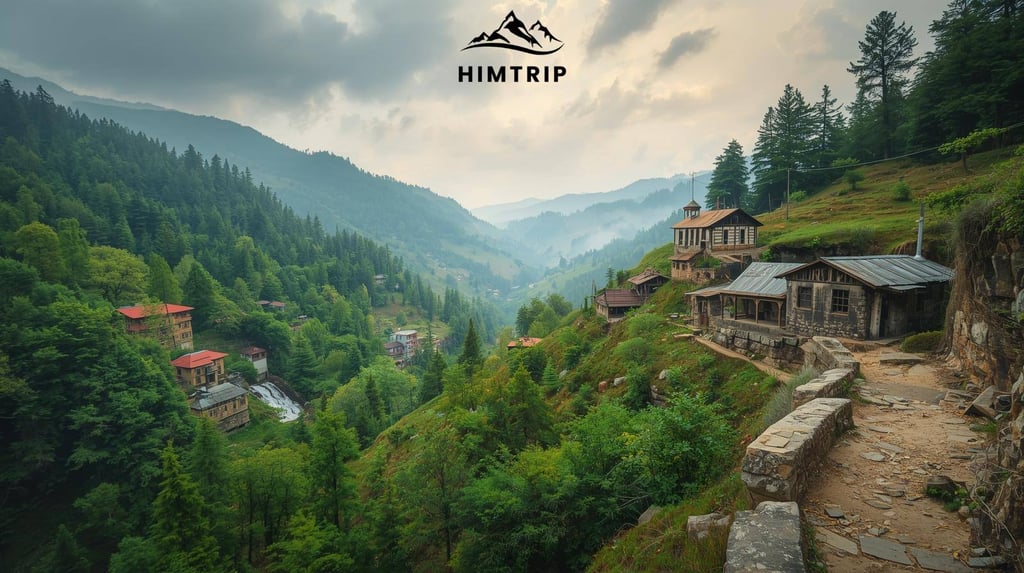
BURAN GHATI TREK – HIMACHAL
Region: Shimla / Rohru Valley
Difficulty: Difficult
Duration: 7 Days / 6 Nights
Max Altitude: ~4,600m
Price From: ₹12,000
Short Overview
Buran Ghati is one of Himachal’s most dramatic crossover treks — lush forests, ancient villages, alpine valleys, and a near-vertical snow wall descent that defines the trek. This route demands fitness, confidence on snow, and the ability to handle long walking days. Not recommended for beginners.
1. Difficulty Breakdown
Overall: Difficult (because of altitude, long days, snow wall rappelling)
Trail Characteristics
Mixed terrain: forests, meadows, boulder sections, snow slopes.
Snow wall (60–70 ft) requires rope-assisted descent.
Long walking days: 6–9 hours.
Daily Distance
6–12 km per day.
Altitude Gain
From ~2,000m to ~4,600m over multiple days.
Who Should Avoid
Anyone with knee issues or altitude discomfort.
People with zero trekking experience.
Those unable to manage steep snow sections.
Fitness Needed
Ability to jog 5 km in under 35 minutes.
Ability to trek 10 km with a backpack.
Prior high-altitude experience strongly recommended.
2. Itinerary (Day-wise)
Day 1: Shimla → Janglik (Drive)
Scenic drive via Rohru.
Stay in homestay.
Briefing + gear check.
Day 2: Janglik → Dayara
Gradual ascent through pine and oak forests.
Enter wide meadows by afternoon.
Trek: 5–6 hours.
Day 3: Dayara → Litham
Meadows → river crossing → valley walk.
Camp with views of Chandranahan waterfall.
Trek: 4–5 hours.
Day 4: Acclimatization Day (Optional) – Chandranahan Lake Visit
Steep climb to a glacial lake.
Helps in acclimatization before the pass.
Trek: 5–6 hours round trip.
Day 5: Litham → Nalabansh / Dhunda
Enter alpine zone.
Snow patches common.
Camp near Buran Pass base.
Trek: 4–5 hours.
Day 6: Dhunda → Buran Ghati Pass (4,600m) → River Camp
Summit day + snow wall descent (ropes required).
Long day: 8–10 hours.
Biggest challenge of the trek.
Overnight at river meadow camp.
Day 7: River Camp → Barua Village → Shimla (Drive)
Descend through orchards and forest trails.
Exit trek at Barua village.
Drive to Shimla and depart.
3. Inclusions & Exclusions
Inclusions
Tents (2–3 per tent)
Sleeping bags + mats
All meals on trek
Guide + technical team
Ropes, harnesses, snow equipment
Permits & fees
Exclusions
Transport to Janglik and return
Mule/porter services
Personal gear (shoes, jackets, poles)
Medical expenses / evacuation charges
Anything not listed above
4. How to Reach
Nearest Hub: Shimla
Route:
Shimla → Rohru → Janglik (base village)
Transport Options
Volvo bus to Shimla, then taxi to Janglik
Shared cabs available but unreliable
Recommended: private taxi for the group
5. Stay & Food
Stay
Day 1: Homestay in Janglik
Day 2–6: Tented accommodation
Dry toilets at campsite
Food
Veg meals
High-calorie food on summit day
Tea/soup in mornings and evenings
6. Safety & Weather
Safety
Mandatory rope-assisted descent on the snow wall
Guide + technical team present
Weather-sensitive route — cancellations possible
Emergency exit only through Barua side
Weather
May–June: Snow on the pass, best time for snow wall
September–October: Clear views, minimal snow
Avoid monsoon (July–August)
7. Best Time to Visit
May–June → Snow + full alpine scenery
Mid-September–October → Best views, stable weather
Avoid: July–August (rain, landslides)
8. Packing List
Mandatory
Trekking shoes (good grip)
50–60L backpack
3 warm layers (fleece + padded jacket)
Waterproof gloves
Rain jacket/pant
Cap + sunglasses
Headlamp
2 aluminum water bottles
Gaiters + microspikes (if provided by operator, confirm in advance)
Optional
Trekking poles (highly recommended)
Power bank
ORS sachets
Camera/GoPro
9. FAQs
Q. Is Buran Ghati suitable for beginners?
No. The snow wall descent + long days make it a difficult trek.
Q. Do I need prior snow experience?
Preferred. Technical team assists, but confidence on snow is important.
Q. What happens if the snow wall is unsafe?
Alternative descent routes may be used or the trek may be rerouted.
Q. How cold does it get?
-3°C to -8°C at higher camps.
Q. Is network available?
Only in Janglik. No network on the trail.
Ready to challenge yourself on one of Himachal’s most exciting treks?
Connect on Social
Reach out for your Himalayan adventure trip queries. Lets make it happen!
Have a Query!
© 2026. All rights reserved.