
Triyuginarayan Temple | Significance & Yatra Guide | Himtrip
PILGRIMAGES IN UTTARAKHAND
2 min read
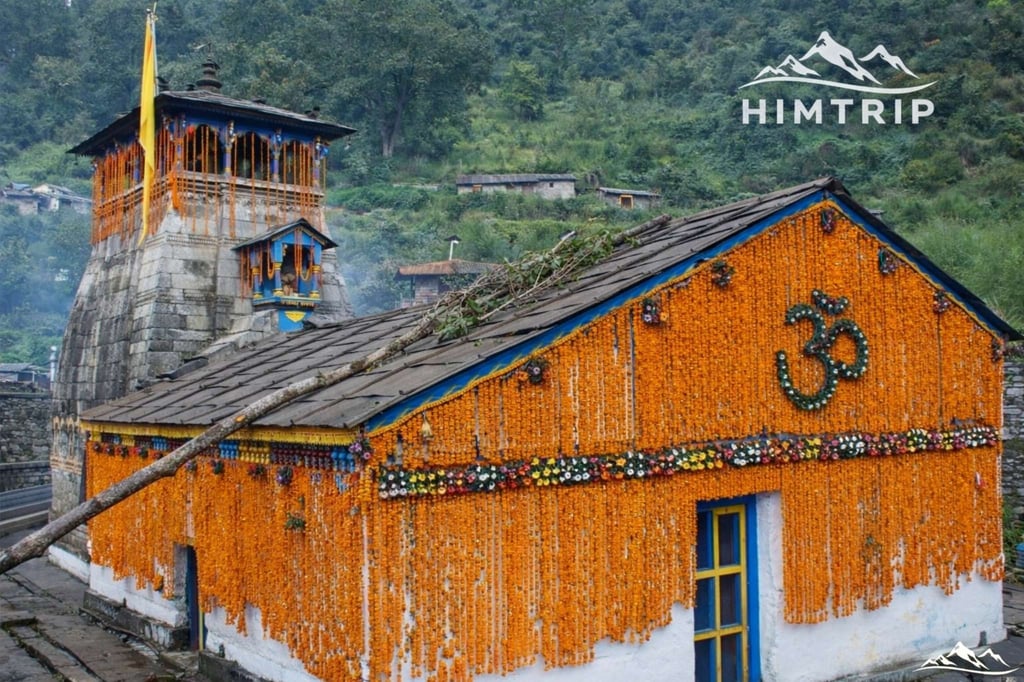
Triyuginarayan – Divine Wedding Site of Lord Shiva & Goddess Parvati
Triyuginarayan is a highly revered yet peaceful Hindu pilgrimage destination in Uttarakhand, believed to be the celestial wedding site of Lord Shiva and Goddess Parvati. Located near Kedarnath at an altitude of around 1,980 meters, this sacred village temple is known for its eternal fire (Akhand Dhuni) that has been burning since the divine marriage.
Unlike crowded shrines, Triyuginarayan offers quiet spirituality, mythology, and deep symbolic meaning.
About Triyuginarayan Temple
Deity: Lord Vishnu (main temple)
Associated Deities: Lord Shiva & Goddess Parvati
Altitude: ~1,980 m
Region: Rudraprayag district, Uttarakhand
Famous For: Divine wedding site, eternal fire
The name Triyuginarayan means “Lord Vishnu of the three yugas”.
History & Mythology
According to Hindu mythology:
Lord Shiva and Goddess Parvati were married at Triyuginarayan
Lord Vishnu played the role of Parvati’s brother and performed the kanyadaan
The sacred fire lit during the wedding, known as Akhand Dhuni, continues to burn even today
Key mythological elements:
Brahma Shila – the wedding altar
Saraswati Kund – ceremonial water source
Vishnu Temple – presiding deity of the site
This event is believed to have occurred during the Treta Yuga.
Cultural & Spiritual Significance
Triyuginarayan represents:
Sacred marriage and marital harmony
Balance between householder life and spirituality
Blessings for love, commitment, and longevity
Today, actual Hindu weddings are also performed here following Vedic rituals, inspired by the divine union.
Important Places at Triyuginarayan
Akhand Dhuni – Eternal sacred fire
Brahma Shila – Marriage altar stone
Saraswati, Ganga & Yamuna Kunds – Holy water tanks
Vishnu Temple – Main shrine
Triyuginarayan Yatra Route
Haridwar / Rishikesh → Rudraprayag → Sonprayag
Sonprayag → Triyuginarayan (motorable road)
It is easily combined with Kedarnath, Guptkashi, and Tungnath.
Best Time to Visit Triyuginarayan
Apr to Jun - Pleasant weather
Jul to Aug - Monsoon (green landscapes)
Sept to Nov - Clear views, peaceful
Dec to Mar - Cold, light snow possible
Accommodation
Guesthouses and homestays in Triyuginarayan village
Hotels available at Guptkashi & Sonprayag
Important Travel Tips
Ideal for quiet spiritual seekers
Carry warm clothing in winter
Respect rituals around Akhand Dhuni
Best visited as part of Kedarnath circuit
Triyuginarayan with Himtrip
Himtrip offers:
Triyuginarayan pilgrimage tours
Kedarnath–Triyuginarayan spiritual circuits
Panch Kedar combinations
Guided temple visits & heritage walks
FAQs – Triyuginarayan
Q. Why is Triyuginarayan famous?
It is believed to be the wedding site of Lord Shiva and Goddess Parvati.
Q. Is Triyuginarayan suitable for senior citizens?
Yes. The temple is motorable and peaceful.
Q. Can Triyuginarayan be visited with Kedarnath?
Yes. It is commonly combined.
Q. Is the eternal fire still burning?
Yes, the Akhand Dhuni burns continuously.
Triyuginarayan PDF Brochure (Download)
👉 Download Triyuginarayan Pilgrimage Guide PDF
Connect on Social
Reach out for your Himalayan adventure trip queries. Lets make it happen!
Have a Query!
© 2026. All rights reserved.